Discover the key issues and topics shaping the world of luxury.
-
This piece explores the shift from traditional markers of luxury to a new value system centred on wellbeing, sport, and control. It examines how discipline, endurance, and performance are redefining status in a quieter, more intentional luxury landscape.
-
This update considers the critical changes shaping luxury today — from the decline of overt consumption to the rise of lifestyle signalling, privacy, and precision. It reflects on how brands and consumers are adapting to a more conscious, performance-driven era.
-
Focusing on the growing influence of wellbeing, endurance, and travel, this piece explores how recovery, longevity, and self-mastery are becoming the ultimate expressions of luxury in a hyper-connected world.
The June Luxury Report
Rebalancing Luxury: Wealth, Experience and Cultural Capital
8 June 2026
The luxury industry is entering a new phase of evolution.
According to Deloitte's Global Powers of Luxury 2026, the sector is moving beyond the post-pandemic surge and into a period of stabilisation, where growth is increasingly driven by value rather than volume (Deloitte, 2026). While two-thirds of luxury executives expect revenues to remain stable or increase in 2026, more than 70% anticipate maintaining or improving margins through pricing discipline, customer loyalty, digital transformation, and operational efficiency (Deloitte, 2026, Morgan Stanley Research, 2026).
The findings suggest that luxury is undergoing what may be described as a " Luxury Reset"—a strategic transition from expansion to significance, from transactions to relationships, and from product ownership to meaningful experiences. Across fashion, hospitality, wellness, culture, and technology, brands are being challenged to redefine value for a more discerning and fragmented consumer landscape.
A Market Dividing in Two
Recent industry research indicates that luxury is becoming increasingly polarised. While the global personal luxury goods market remains substantial, the active luxury consumer base has declined, with many aspirational consumers reducing spending due to inflationary pressures and diminishing perceptions of value (Street Insider, 2026).
At the same time, wealth concentration continues to accelerate. Knight Frank data highlights that more than 162,000 new ultra-high-net-worth individuals have emerged globally within the last five years, equating to approximately 89 individuals crossing the US$30 million wealth threshold every day (Holmes, 2026). Deloitte's findings reinforce this trend, with executives increasingly focusing on customer loyalty, lifetime value, and personalised engagement rather than broad-based market expansion (Deloitte, 2026).
The result is a two-speed luxury market: one driven by highly affluent consumers seeking exclusivity, service, and authenticity, and another where aspirational buyers are becoming increasingly selective about where and how they spend.
The New Luxury Consumer: Personalisation, Experience and Value
Deloitte identifies three dominant consumer trends shaping luxury over the next 12 to 18 months: increasing demand for personalisation, a growing preference for experiential luxury, and the rapid expansion of the pre-owned market (Deloitte, 2026).
Personalisation has become a strategic priority across the industry. Luxury consumers increasingly expect tailored products, curated services, and individualised communications. In response, brands are investing heavily in AI-enabled clienteling, data-driven customer insights, and omnichannel experiences designed to increase engagement and customer lifetime value (Deloitte, 2026).
Alongside this shift is the continued rise of experiential luxury. Rather than accumulating products, consumers are increasingly prioritising travel, hospitality, wellness, and immersive brand experiences. Deloitte reports that experiential categories, including luxury travel and hospitality, grew by approximately 8% in 2025, significantly outperforming many traditional luxury product sectors (Deloitte, 2026).
The growth of resale markets also reflects changing consumer attitudes. Deloitte projects the global pre-owned luxury market will grow 2.7 times faster than the primary apparel market, reaching approximately US$367 billion by 2029 (Deloitte, 2026). Rather than viewing resale as a threat, many luxury houses are developing certified pre-owned programmes, repair services, and strategic partnerships to maintain control over product lifecycles while supporting sustainability objectives.
Rebalancing Luxury: Wealth, Experience and Cultural Capital
Rebalancing Luxury: Wealth, Experience and Cultural Capital
Luxury Industry Outlook 2026: Reset, Resilience and the Return to Value
20 April 2026
The luxury sector is entering 2026 in a state of strategic recalibration. Following a turbulent 2025 marked by slowing demand, geopolitical uncertainty, and growing consumer scrutiny, the industry is shifting away from rapid expansion toward a more disciplined, value-driven model.
Two recent narratives encapsulate this transformation: Kering’s ambitious turnaround strategy—focused on reviving Gucci—and forward-looking insights from Walpole, which highlight the structural trends shaping luxury in the year ahead.
From Boom to Reset: A “New Normal” for Luxury
The post-pandemic luxury boom has officially stabilised. Global spending reached approximately €1.44 trillion in 2025, representing a modest decline but still significantly above pre-pandemic levels. This signals not contraction, but normalisation.
As Helen Brocklebank notes, the year ahead is expected to deliver steady, long-term growth aligned with historical averages—marking a return to sustainable expansion rather than excess.
However, this “new normal” comes with increased complexity:
A more price-sensitive and discerning consumer
A shrinking active luxury customer base despite rising global wealth
Heightened geopolitical and economic volatility
Intensified competition across both product and experience categories
Kering’s Strategic Reset: Fixing Gucci, Refocusing Luxury
Against this backdrop, Kering’s “ReconKering” strategy reflects a decisive shift in luxury brand management. CEO Luca de Meo has acknowledged that the traditional growth model is no longer effective.
The group’s approach centres on:
Doubling profitability and improving capital efficiency
Reducing retail footprint to enhance exclusivity
Cutting inventory to restore scarcity
Refocusing brand narratives to strengthen identity
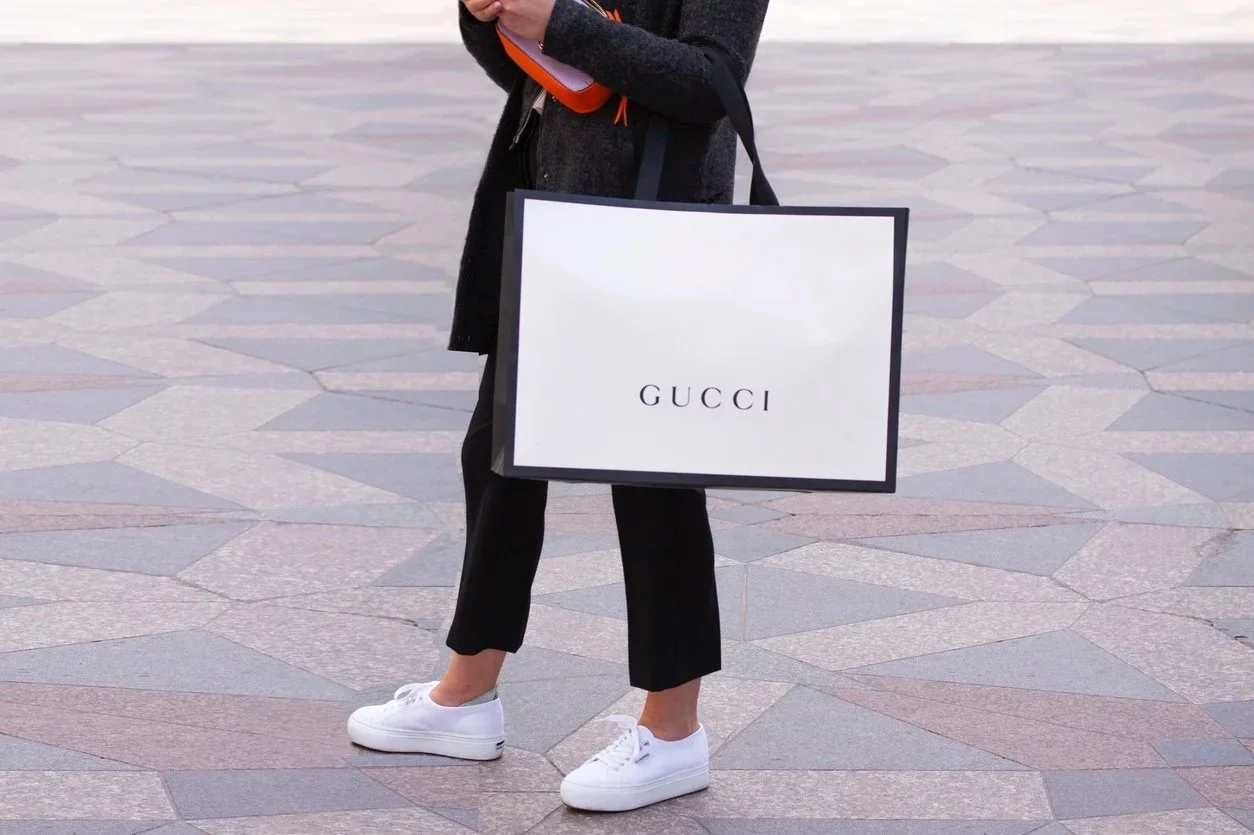
At the core lies Gucci, which has recorded 11 consecutive quarters of sales decline. Once a symbol of maximalist, logo-driven success, the brand now faces the challenge of rebuilding desirability in a more restrained luxury environment.
De Meo’s vision signals a critical repositioning:
Gucci must become “unmistakable”—not louder, but clearer, more refined, and more authentic.
This aligns closely with the broader rise of “quiet luxury”, where craftsmanship, subtlety, and heritage take precedence over visibility and hype.
The Rise of Value:
Luxury Under Scrutiny
One of the most defining shifts for 2026 is the growing importance of perceived value. Consumers are increasingly questioning whether luxury products justify their price points.
As highlighted by Walpole, today’s customer is no longer willing to accept price inflation without corresponding quality. Instead, we are seeing:
A rise in “trading down” within luxury categories
Increased demand for entry-level indulgences (beauty, fragrance, eyewear)
Strong performance in high jewellery and watches, driven by investment value
Pressure on ready-to-wear and leather goods, where value perception has weakened
This reinforces a fundamental principle:
Luxury pricing must be earned, not assumed.
Experience Economy: The New Frontier of Desire
While product categories face mixed performance, one sector continues to dominate—experience-led luxury.
GUCCI Shopper iStock Photos
Conclusion: From Visibility to Meaning
The luxury industry is undergoing a fundamental shift. The era of scale, visibility, and rapid expansion is giving way to one defined by precision, authenticity, and meaning.
Kering’s efforts to reposition Gucci, combined with Walpole’s forward-looking analysis, highlight a shared reality:
Luxury in 2026 is not about being everywhere—it is about being relevant, credible, and unmistakable.
For brands navigating this new landscape, success will depend not on how much they sell—but on how deeply they connect.
Travel, hospitality, gastronomy, and immersive brand experiences are driving engagement across all consumer segments. This reflects a broader cultural shift from ownership to experience, particularly among younger consumers.
Winning brands are those creating:
“Have-to-be-there” moments
Hyper-personalised and intimate experiences
Emotionally resonant storytelling
Cross-industry collaborations that generate cultural relevance
In this landscape, luxury is no longer just a product—it is a memory, a moment, and a narrative.
The New Luxury Consumer: Complex and Evolving
Despite growth in high-net-worth individuals globally, the active luxury consumer base has contracted—highlighting a critical challenge for brands.
To remain relevant, luxury must now deliver across three core pillars:
Entertainment – capturing attention through compelling storytelling
Emotion – building lasting connections and desire
Ethics – demonstrating authenticity, transparency, and purpose
This reflects a shift toward values-driven luxury, where brand legitimacy is as important as aesthetic appeal.
Global Outlook: Where Growth Will Come From
Growth opportunities in 2026 will be geographically diverse:
The Middle East emerges as a high-growth luxury hub
The United States remains a resilient core market
China shows signs of gradual recovery
Emerging markets such as India, Southeast Asia, and Latin America present long-term potential
For British luxury in particular, this presents a strategic advantage. With its heritage of craftsmanship and authenticity, the UK is well-positioned to deliver what Walpole defines as “True Luxury”—products and experiences rooted in quality, integrity, and longevity.
Strategic Takeaways: Six Rules for Luxury Success in 2026
Drawing on Walpole’s insights, the brands most likely to succeed this year will:
Create their own demand rather than waiting for market recovery
Deliver unmissable, experience-led moments
Continuously earn consumer attention and loyalty
Offer genuine value aligned with price
Build emotional, human connections
Leverage heritage and craftsmanship as competitive advantage
Image The Dark Luxury
The New Idea of Luxury: Wellbeing, Sport and the Quiet Status Economy
1 April 2026
Luxury once announced itself loudly: engines, square footage, champagne corks. Today, it communicates in far subtler ways. Silence. Control. Precision. Presence.
In 2026, luxury is being redefined around a new set of values—wellbeing, sport, and travel—that together form a quiet but powerful status economy. This shift reflects a broader cultural recalibration: away from accumulation and towards alignment; away from display and towards performance; away from visibility and towards control.
What matters now is not what you own, but how you live, how you function, and how long you can sustain it.
Margarita Bravo Luxury Minimalist Interior Design Ideas
Traditional luxury codes—scarcity, craftsmanship, heritage—haven’t disappeared. But in a world of algorithmic exposure and instant replication, they are no longer sufficient on their own.
Luxury aesthetics can now be copied, distributed, and “duped” at speed. What cannot be replicated so easily are experience, discipline, access, and embodied credibility. As a result, luxury has shifted from possession-based signalling to lifestyle-based alignment.
The most meaningful signals today communicate:
control over time and attention
mastery over the body and energy
access to environments that support performance and recovery
the ability to disconnect in a hyper-connected world
Wellbeing as a Status Signal
Wellbeing has evolved from indulgence to infrastructure.
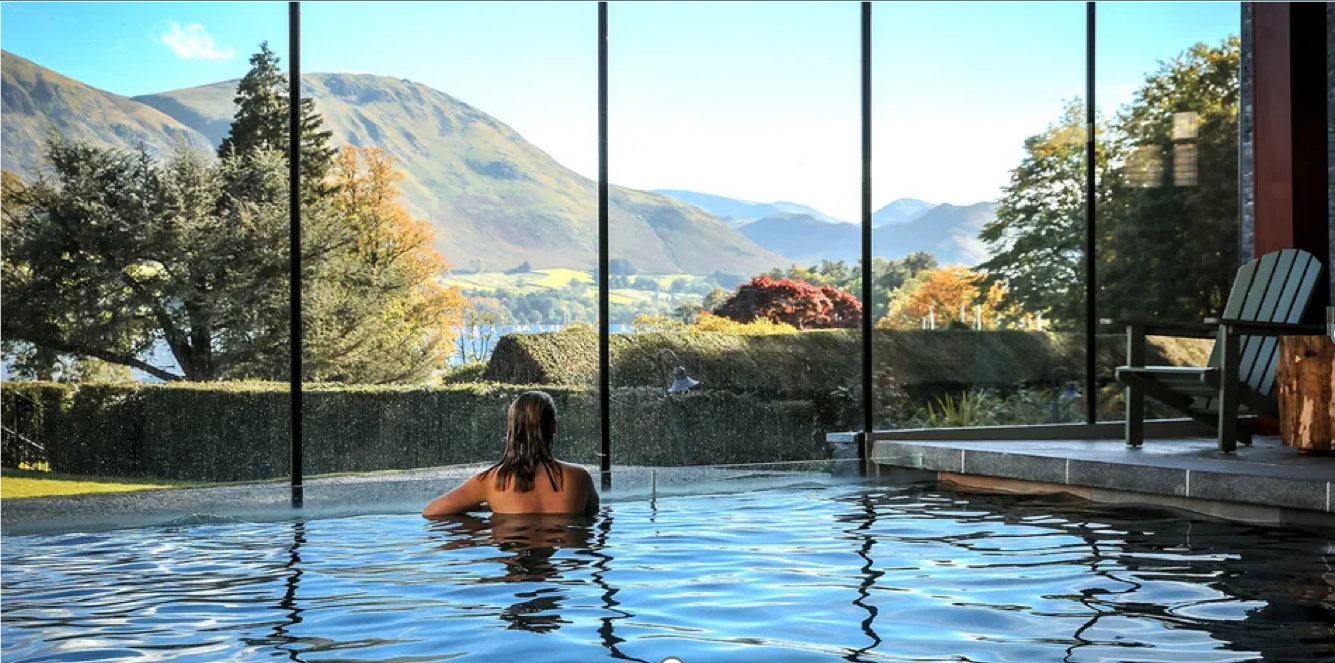
Sleep quality, recovery, nervous-system regulation, emotional balance and longevity markers are now quietly replacing overt wealth signals. When material needs are met, the highest form of luxury becomes the ability to function well, consistently, and over time.
This explains the rise of clinical wellness, longevity retreats, diagnostic-led health programmes and data-driven self-optimisation. Wellness today is less about pampering and more about precision. It is measurable, disciplined and deeply personal.
The modern luxury consumer no longer curates a lifestyle alone. They engineer a healthstyle—one designed to protect clarity, energy and long-term performance.
Another Place Spa Hotel, Lake District UK
Sport as Cultural Authority
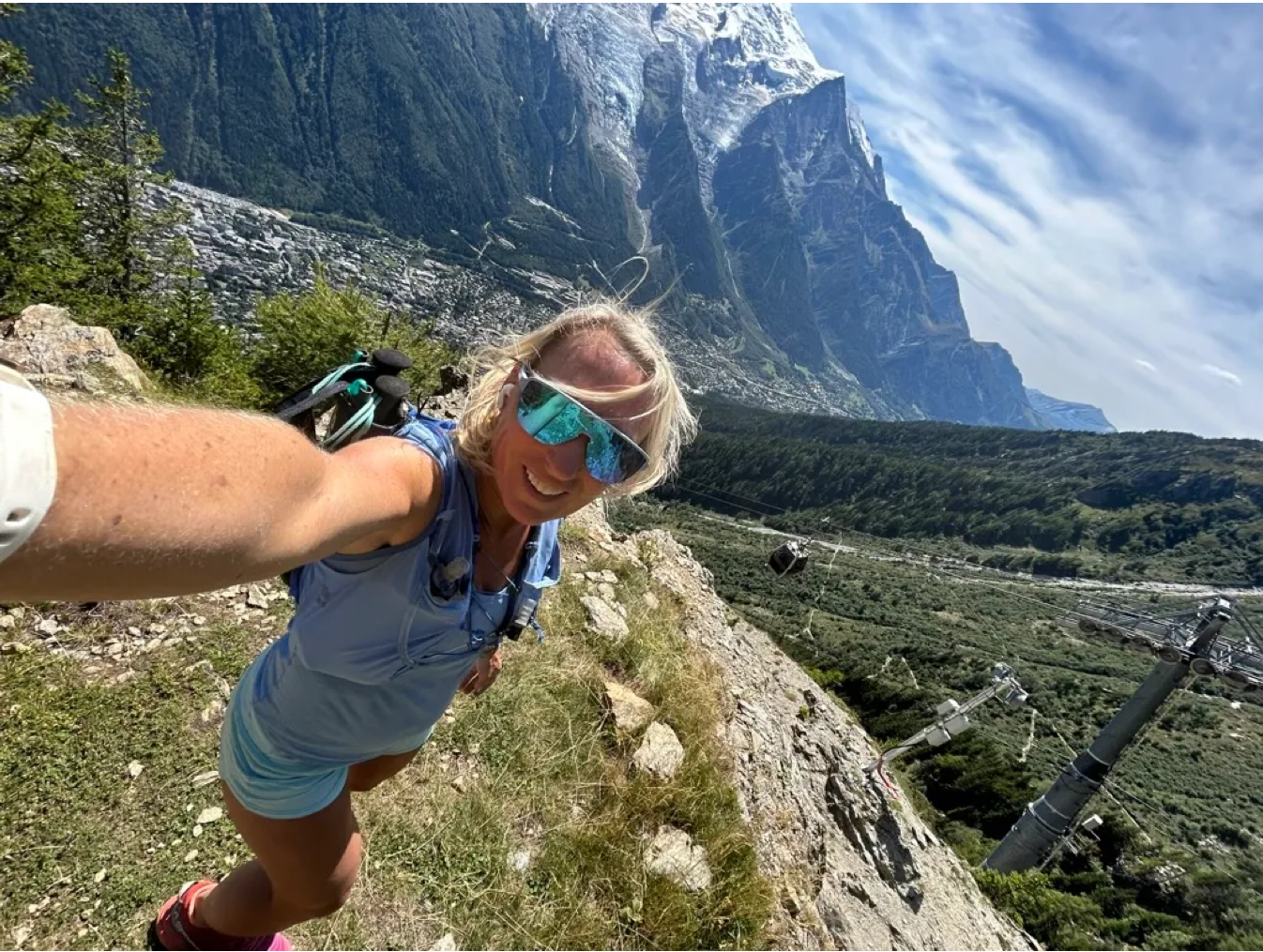
Debbie Coney, ultra marathon running in Chamonix 2025
Sport has become one of the most powerful languages of modern luxury because it communicates values that cannot be faked: discipline, mastery, consistency and excellence.
In 2026, luxury’s relationship with sport has evolved far beyond sponsorship. Performance culture now informs how luxury is expressed across automotive, fashion, horology and lifestyle.
In automotive, luxury performance blends raw capability with composure. Speed matters, but control matters more.
In fashion, the boundary between athletic performance and high-end design has collapsed. Technical garments, movement, recovery and everyday performance are now central to luxury aesthetics.
In horology, sports watches remain dominant because they encode endurance, precision and a life lived in motion.
Sport signals a life organised around training, recovery and self-mastery. In an era of excess, discipline has become aspirational.
Travel as the Container for Transformation
Luxury travel has shifted from destination-led to outcome-led.
The most valuable journeys today promise recalibration rather than escape:
better sleep
physical recovery
improved mental clarity
restored emotional balance
Travel has become the delivery system through which wellbeing and sport are activated. Retreats, training environments and recovery-focused destinations provide controlled conditions where transformation can occur.
As digital life accelerates, physical presence has become scarce. In that scarcity, travel reasserts its luxury function: to slow time, remove friction, and protect attention.

Jordan Siemens / Getty Images
Privacy, Presence and the New Meaning of Exclusivity
In a culture dominated by visibility, privacy has become aspirational.
Luxury increasingly signals itself through:
invitation-only environments
small, trusted communities
high-touch, low-noise experiences
controlled access rather than mass exposure
Influence now travels quietly. Recommendations circulate in private. Cultural relevance is sustained through discernment rather than virality.
Luxury has not become quieter by accident. It has become quieter because quiet now signifies control.
The Emerging Luxury Hierarchy
Across wellbeing, sport and travel, a new hierarchy of value is taking shape:
Presence over performance online
Recovery over novelty
Longevity over accumulation
Discipline over display
Privacy over exposure
Luxury is no longer about excess. It is about precision.The future of luxury belongs to those who can design lives—and experiences—that optimise how people live, move, rest and endure. In a hyperstimulated world, the ultimate indulgence is not more stimulation, but the ability to remain clear, calm and fully alive